General lifestyle information only — not medical, therapeutic, or emergency advice. Netherlands registered business (KvK 34113890). About · Privacy · Terms
Amsterdam, Netherlands

Relaxation Routines Built for Real Schedules

Free lifestyle guides for busy schedules. Small, repeatable rituals between meetings, after work, and before bed — informational content only, not medical advice.

About Us Explore Micro-Pauses

Why Short Routines Actually Work

Research on brief recovery breaks suggests that even two or three minutes of intentional pause can support attention and emotional balance during demanding workdays.

Attention Reset

When you stare at a screen for forty-five straight minutes, your focus narrows. A deliberate pause — standing up, looking out a window, or taking five slow breaths — gives your nervous system a signal that the sprint is over. Studies on workplace micro-breaks note that people often return with clearer thinking, not because they solved a problem during the break, but because they stopped forcing the same mental loop.


Habit Over Intensity

Grand weekend plans rarely survive a busy Tuesday. What survives is something you can do at your desk, in the kitchen, or on the tram home. The routines we describe here are designed to be boring in a good way: same cue, same short action, same gentle close. That predictability is what makes them stick when motivation dips.

Evening Boundaries

Many people carry work stress into the evening without noticing. A warm shower, a cup of chamomile, or ten phone-free minutes create a visible line between “on duty” and “off duty.” You are not escaping responsibility — you are giving your mind a runway to land instead of slamming into sleep while still mentally replying to emails.

Micro-Pauses: Two to Three Minutes Between Tasks

Think of micro-pauses as punctuation marks in your workday. Before you open the next tab or join the next call, pause for one full minute of breathing: inhale for four counts, exhale for six. If you prefer movement, roll your shoulders back five times and gently turn your head side to side.

Workplace wellness literature suggests that structured short breaks may help some people feel less fatigued during long shifts. You are not trying to become a different person — you are inserting a comma where there used to be none. Set a recurring reminder every ninety minutes if you forget; the cue matters more than perfection.

  • Box breathing (4-4-4-4) while standing away from your screen
  • Desk stretches: wrist circles, neck tilts, seated spinal twist
  • One-minute window gaze to rest near-focus eye strain
Read the Full Guide
Person taking a short breathing break at a desk

Evening Rituals That Signal Rest

Your evening routine does not need candles and silence — though those are welcome. Start with three anchors: a warm shower to drop shoulder tension, a herbal tea such as lemon balm or chamomile sipped slowly, and a fixed time when notifications go silent. The shower changes body temperature; the tea gives your hands something calm to do; the screen boundary stops your brain from re-entering work mode.

People who commute in Amsterdam often use the last tram stop as a cue: phone on do-not-disturb, one song or podcast episode, then walk the rest. That walk is part of the ritual. Consistency beats duration — fifteen mindful minutes repeated beat a rare two-hour spa night you cannot schedule next week.

Evening Ritual Ideas
Warm evening tea and relaxed atmosphere

Mental Practices Without the Pressure

Short meditation and mindful gazing fit into gaps that already exist — waiting for water to boil, sitting on the metro, or standing in a queue.

Three-Minute Meditation

Sit comfortably, feel your feet on the floor, and count ten breaths. When thoughts appear — and they will — note “thinking” and return to the count. No blank mind required. Some people find brief mindfulness-style pauses helpful as part of a daily routine; experiences differ and this is not a substitute for professional support.

Mindful Gazing

Pick one object: a plant, a mug, rain on glass. Look at texture, color, and light for sixty seconds without naming or judging. This practice rests the analytical loop that runs during spreadsheet work. It is meditation for people who dislike sitting still with closed eyes.

One-Line Journal

Before bed, write one sentence: “Today I noticed…” No analysis, no fixing. Narrative reflection helps busy minds file the day instead of replaying it at 2 a.m. Keep the notebook by the kettle so you see it during your tea ritual.

These practices work best when linked to something you already do daily. Anchor meditation to your first coffee; anchor gazing to your elevator ride. The anchor is the secret — not the length of the session.

Explore Mental Practices

Light stretching after work outdoors

Body Habits: Movement You Will Actually Do

Light stretching, posture shifts, and post-work walks address the physical side of sitting-heavy days. Every hour, change position: stand for one call, sit on the floor for five minutes, or walk while on audio-only meetings. After work, a fifteen-minute neighbourhood walk — even in Dutch rain with a good jacket — helps transition your body out of “desk shape.”

Public movement guidelines often recommend breaking prolonged sitting — variety may ease stiffness from static postures. Pair a walk with a podcast you enjoy only while moving; that pairing can make the habit easier to repeat than treating it as another obligation.

Body Habit Guide
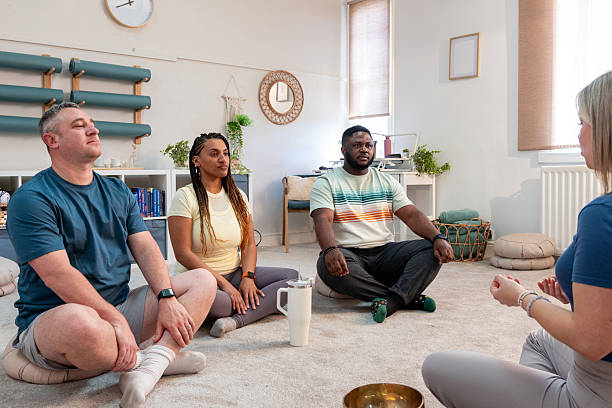
Group wellness and shared calm routines

Social Calm: Shared Routines and Quiet Challenges

Relaxation does not have to be solitary. Exchanging practical tips with colleagues or friends often surfaces ideas you would never find alone. When a teammate mentions their two-minute balcony breath before stand-up, you get permission to try it too — social proof without performance pressure.

Lifehack Swaps

Start a small chat thread or monthly lunch where everyone shares one routine that fit their week — not Pinterest ideals, real ones. Someone might describe listening to one calm track before opening Slack; another might swear by blocking five minutes after lunch for a balcony breath. These exchanges normalize rest as part of productivity culture instead of a guilty secret.

Five Minutes of Silence Challenge

Group challenges work when they are short and specific. Try a weekday “five minutes of silence” with teammates: same time, cameras optional, no agenda. Research on shared mindfulness activities suggests social accountability increases follow-through. You are not competing for zen points — you are building a shared pause into the week.

Walking Meetings

For one-on-one check-ins, propose a walking loop near Dokter Meurerlaan or your own office park. Side-by-side movement often loosens conversation and adds steps without a separate gym block. It is social, physical, and surprisingly effective for brainstorming without slide decks.

“The routines that lasted were the ones my team knew about — not because they watched, but because saying them out loud made them real.”

Transparency — What This Site Is

Zoifloraliving.ddd publishes free general lifestyle information for adults in the Netherlands and beyond. We are registered at KvK 34113890, BTW NL8079.61.905.B01, Dokter Meurerlaan 10, Amsterdam.

  • We offer: articles, practical routine ideas, and optional free community event listings.
  • We do not offer: medical care, therapy, diagnosis, supplements, paid subscriptions, or guaranteed results.
  • Individual results vary. Routines described here are suggestions — consult a qualified professional for personal health questions.

Read About Us Contact

Health & Safety Guidelines

Everything on this site is general lifestyle information for education and personal interest. Use these guidelines when trying new routines:

  • Stop any stretch or breathing practice that causes discomfort, dizziness, or unusual shortness of breath.
  • If you have a health condition, recent injury, or pregnancy, speak with a qualified professional before starting new movement or breath routines.
  • Herbal teas can interact with medications; check labels and consult a pharmacist if unsure.
  • Screen-free evenings support sleep hygiene, but they are not a substitute for clinical sleep care when insomnia persists.
  • Group silence challenges should always allow people to opt out without explanation — psychological safety matters.
  • Walk in well-lit areas, use reflective gear in dark months, and follow local traffic rules in Amsterdam and beyond.

Events Calendar & FAQs

Join informal community moments — free, local, and designed for busy schedules.

Date Event Location Details
8 Jul 2026 Micro-Pause Monday Online 30-min lunch session: guided 3-min breathing + Q&A on desk breaks
22 Jul 2026 Evening Wind-Down Walk Amsterdam West 45-min group walk ending with herbal tea stop — phones on silent
5 Aug 2026 Five Minutes of Silence Online Group challenge kickoff; share your anchor habit afterward
19 Aug 2026 Stretch & Share USC ClubWest area Light mobility round + lifehack swap circle for busy professionals
2 Sep 2026 Mindful Gazing Workshop Online 20-min intro to object meditation for screen-heavy jobs

Events are informational gatherings, not therapy or medical sessions. Contact us to register or suggest a time.

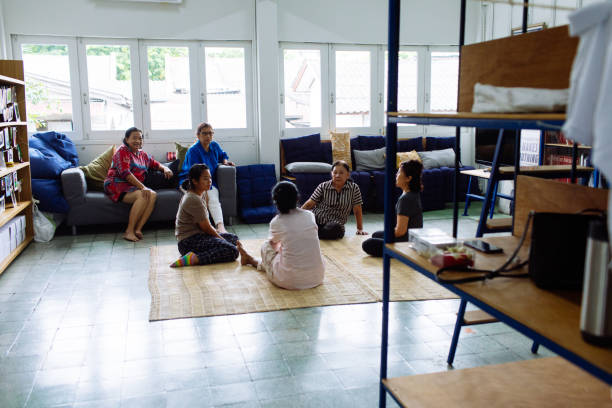
Relaxation workshop and calm community space

Whether you join online or near Amsterdam West, events stay short and practical. Bring curiosity, not special gear — we focus on habits you can repeat on a crowded Wednesday, not one-off experiences that fade by Friday.

Frequently Asked Questions

Many people report feeling slightly more settled within one to two weeks of consistent micro-pauses. Experiences differ widely; we focus on whether a routine feels sustainable for you, not on specific outcomes.
No. A chair, a mug, comfortable shoes for walking, and optional reminders on your phone are enough. Some people like a simple notebook for one-line journaling.
Yes. Breathing, discreet stretches, and micro-pauses are designed for open offices and remote setups. Walking meetings and silence challenges work best when your team agrees on boundaries.
No. We share general wellness lifestyle information. For clinical concerns, speak with a licensed professional in the Netherlands or your country of residence.